New release
Cortona3D RapidAuthor 2606: new DITA-compliant work instructions, numerous improvements in 2D authoring, data import and integration with Teamcenter
2 September 2026
Cortona3D is pleased to introduce the latest version of its technical documentation software suite. RapidAuthor 2606 is targeted at the creation of high-quality 3D animated and traditional 2D technical documentation for manufacturing and after-sales support.
The key changes in RapidAuthor 2606 are related to authoring of DITA-compliant work instructions, handling style sets and layers in 2D editor, generation of parts catalogs from PLMXML and NX data, and expanded integration with Easy Plan. The new version also introduces numerous features that help you save time at every stage of content creation.
As always, a lot of changes are based on customer requests, so the developer team invites all RapidAuthor users to share their suggestions for improvements.
Data preparation: Improved import of PLMXML and NX data
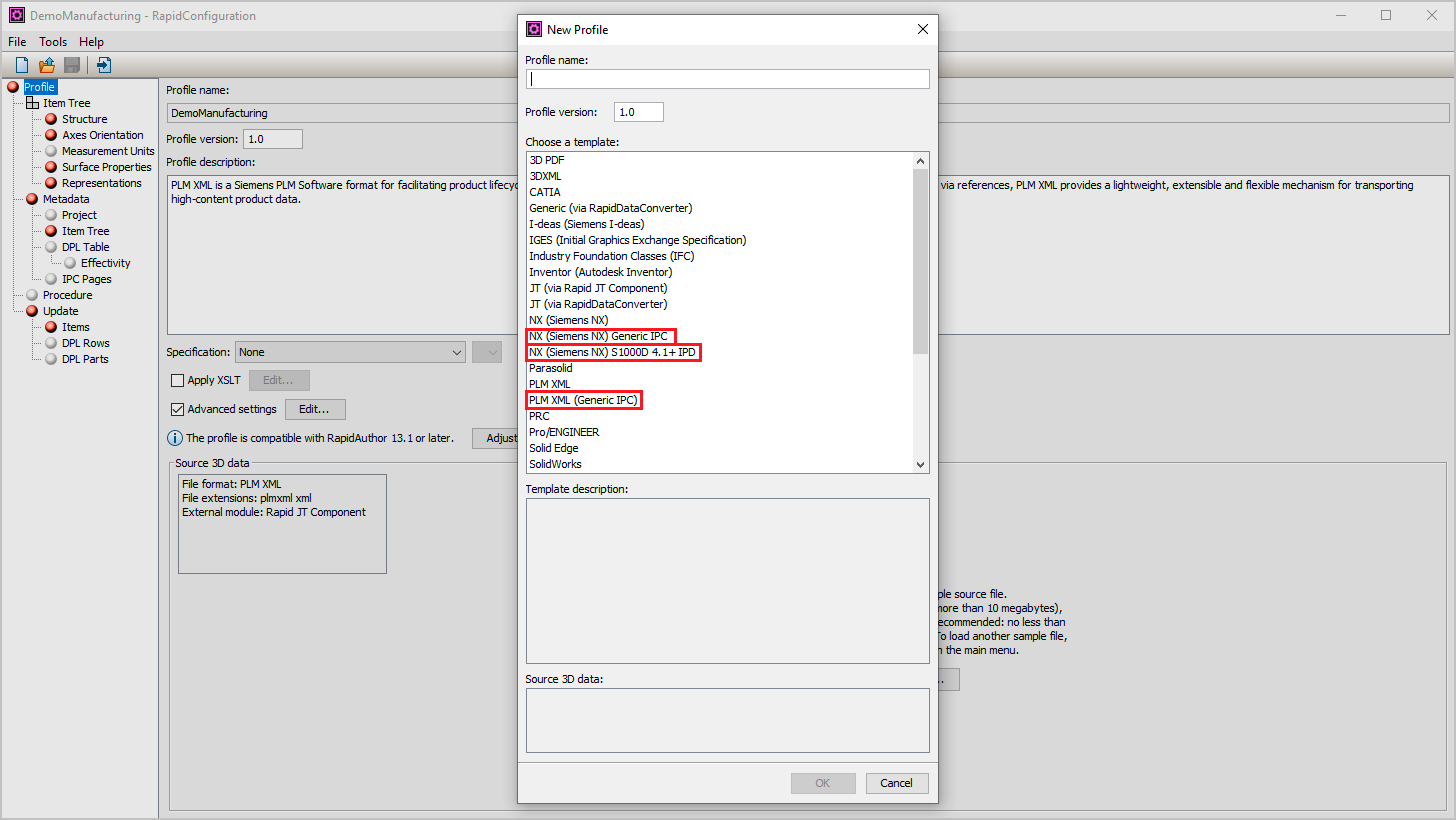
New import profiles allow you to generate generic or S1000D-complant parts catalogs and populate their DPL tables by the information available in the PLMXML or NX source data. Previously, RapidConfiguration was required to define mapping rules between this CAD data and DPL tables.
Additionally, some default settings in existing PLMXML and NX import profiles have been improved based on customer feedback.
DITA Authoring: New specification components for creating DITA-compliant work instructions
We have added two new specification components for work instructions, so you can now create them according to the DITA standard.
The previous specification component, RapidWorkInstruction, is still available in the new release, but it is recommended using the new specifications instead.
As in the previous releases, we continue to work on expanding the options for customizing the appearance and content of PDF publications.
New features include the support for non-standard fonts, storage of PDF rules files in custom DITA OT plugin, and automatic cleanup of plugins used by rules.
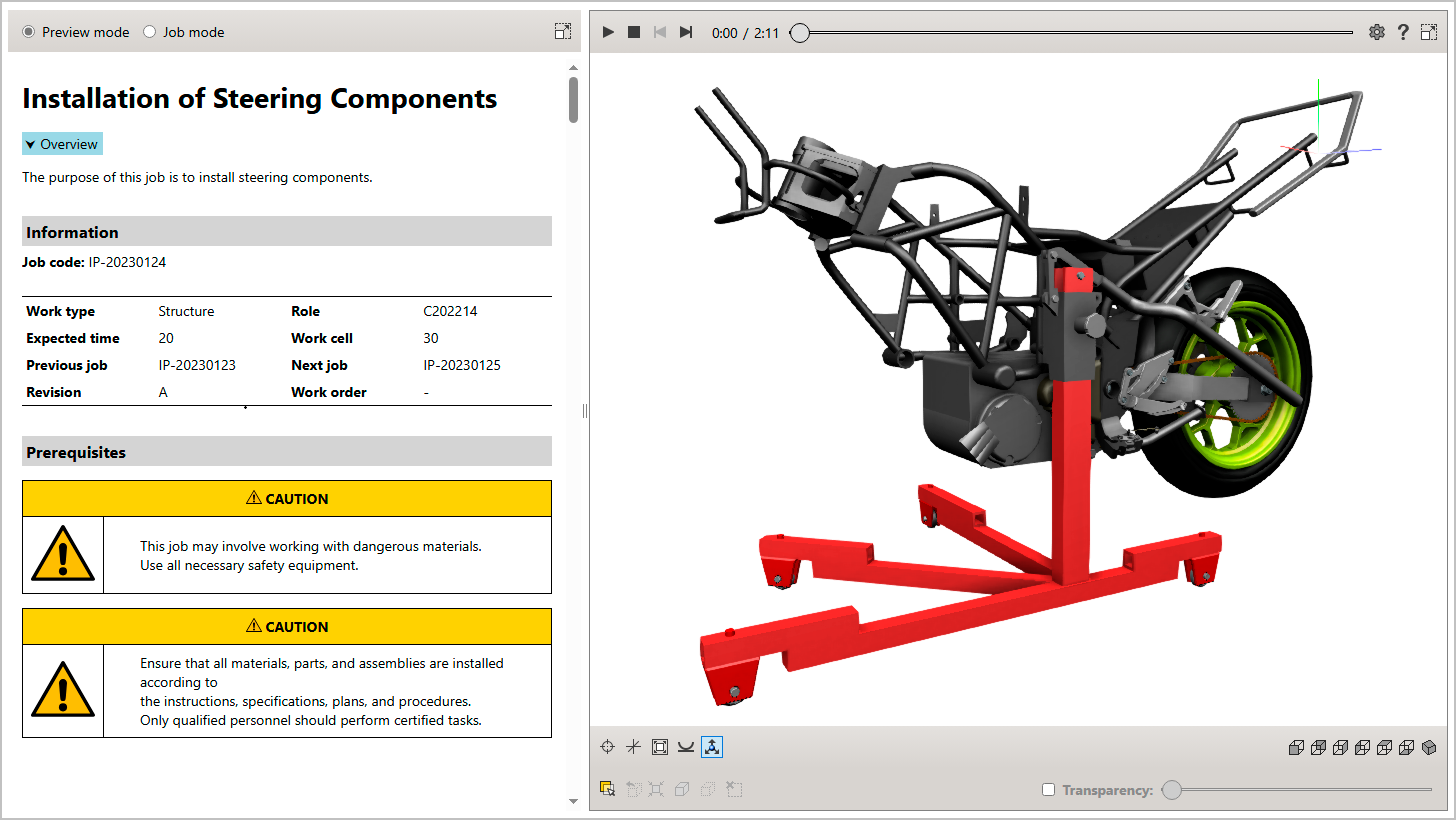
Check the interactive demo ->
S1000D authoring: Easy formatting of fault reports in accordance with the S1000D standard
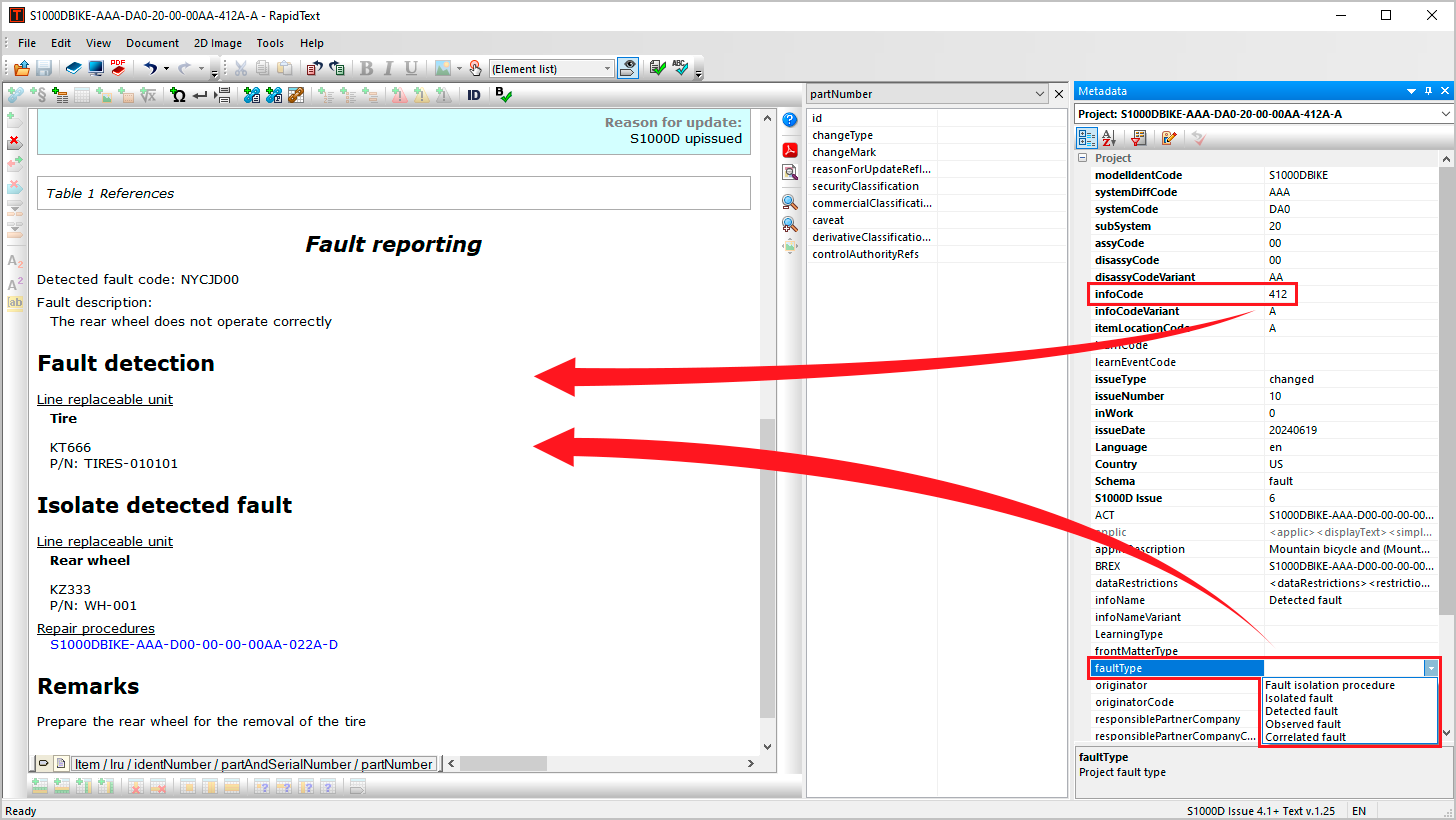
We expanded support for Fault Isolation, an S1000D data module for managing troubleshooting procedures. New metadata allow you to generate properly formatted S1000D-compliant fault reports in PDF and HMTL formats.
General authoring: Automated creation of collections, improved gallery objects, and more
When you select multiple items to apply a new action to them, you will be prompted to create a collection of these items for easier editing.
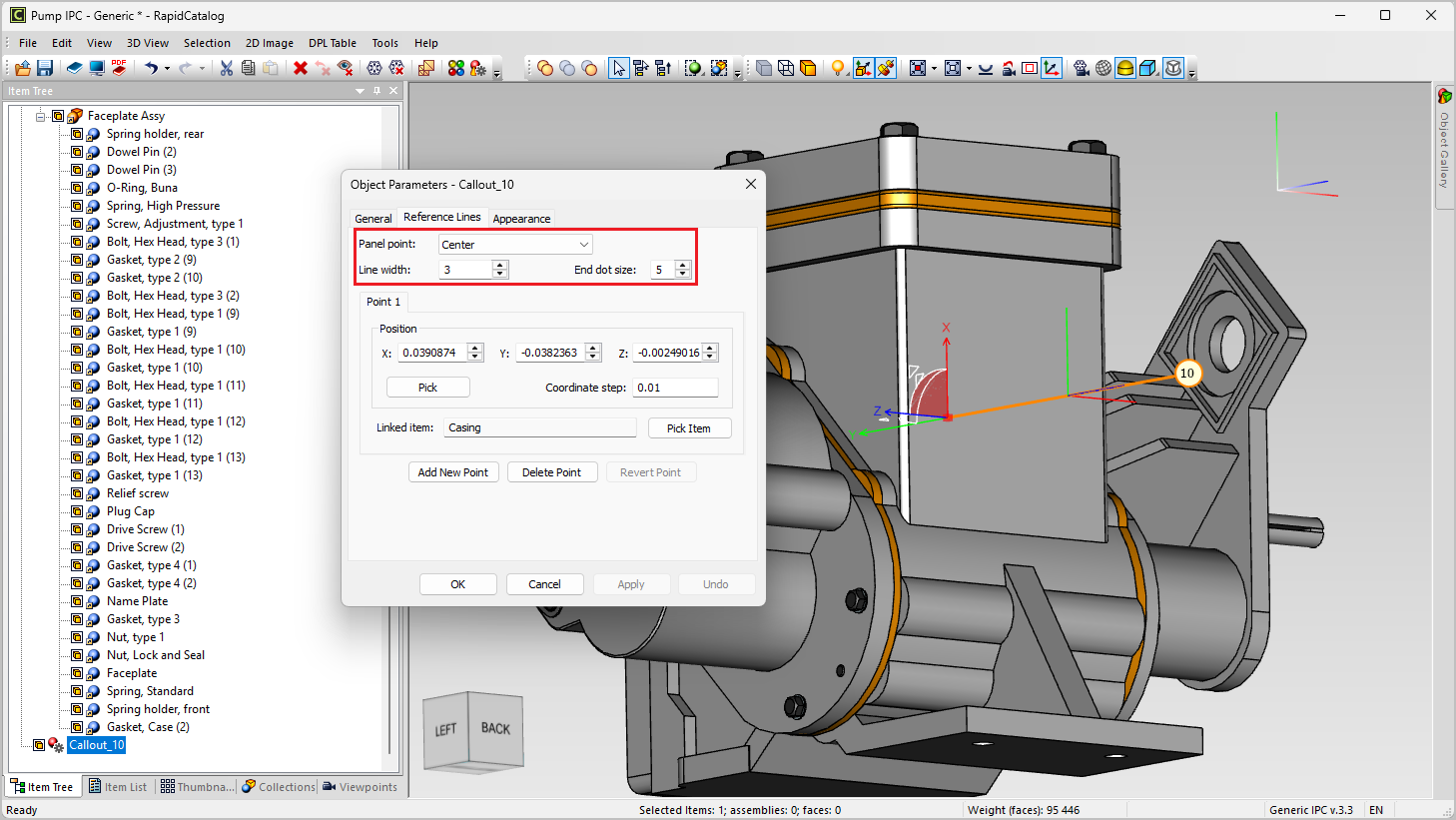
Reference lines in gallery objects, such as callouts, panels, and loupe, can now use different line widths and dash styles.
Context objects in the authoring tools can now be displayed in 3D view using different rendering modes, similar to those available in the published output.
Other improvements in general authoring:
- Support for images in Callout (XML) object within publications.
- New Panel (XML) object, similar to Callout (XML), but positioned using screen coordinates.
- Dash-dot style assigned to explode lines in 3D view.
- Setting an object as Context is now also allowed on the Base page, so the object will be context on all IPC pages.
2D Authoring: A new approach to using style sets, improved layer handling, grouping 2D lines by source items, and more
The new release allows you to easily share the style sets within your team to ensure that all authors use the same style. You can also use different style sets for different illustrations on the same computer, for example when you need to edit new and legacy images.
Layer handling has been improved to prevent creation of objects outside of layers, with the ability to name layers, pin the active working layer and an enhanced, customizable Layers window.
2D lines are now grouped by their source 3D object, making it easier to locate, manage, and edit all lines associated with a specific object.
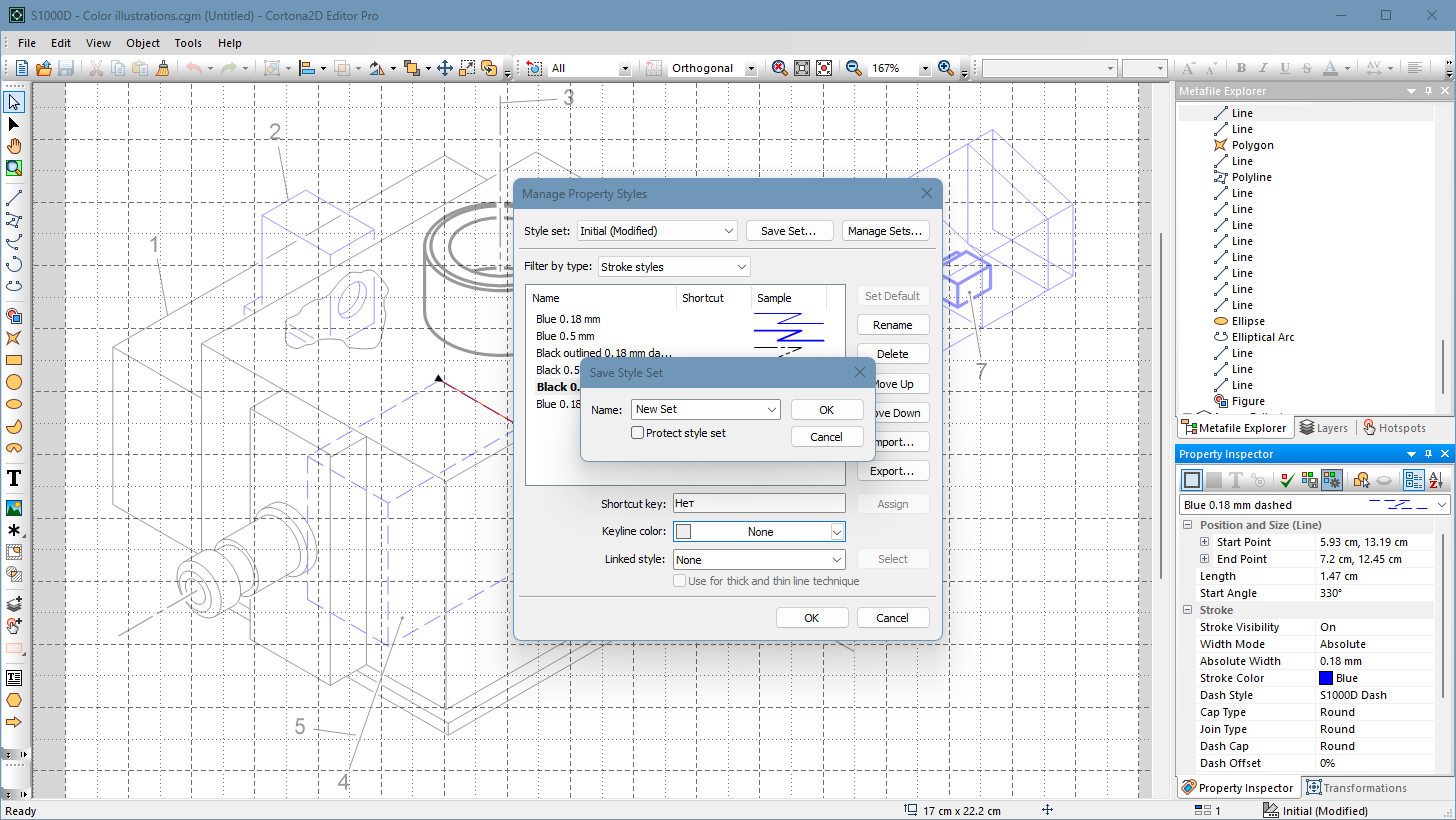
Other improvements in 2D authoring:
- Ability to select points for all objects in a selected group using the “Pick Points” tool.
- Ability to paste tables from Microsoft Word, Excel, and other applications into illustrations.
- Ability to change group hover highlighting style, either as a bounding box or by highlighting all lines of objects in the group.
- Special text objects that automatically display various data like illustration title, file name, last saved date or time, various other illustration properties
- A new CGM Info dialog providing CGM element statistics and estimated output file size.
Publishing: Configuring PDF page size in Generic specifications and easier navigation through publishing options
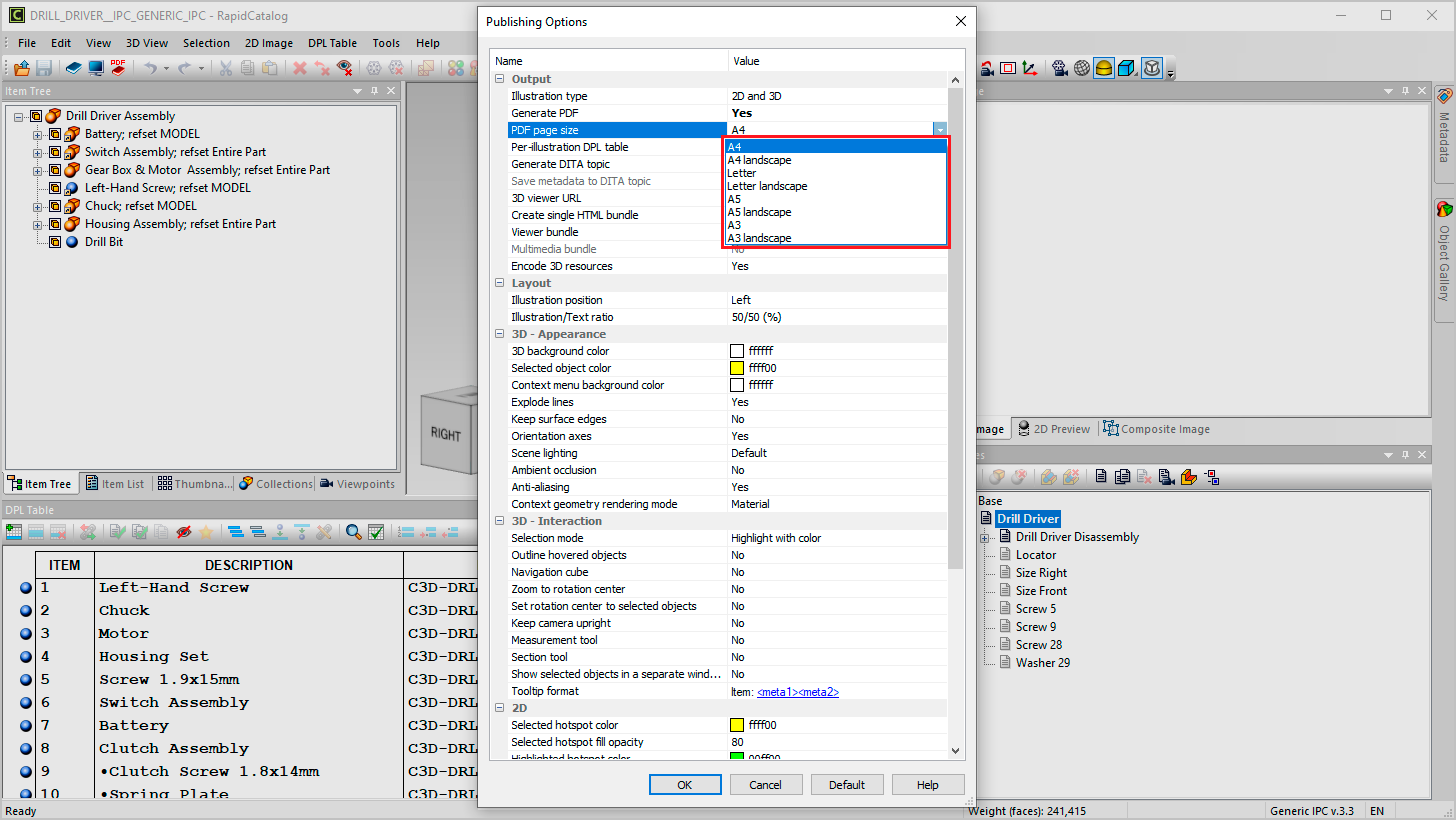
In Generic specification components, PDF page size and orientation can now be configured via the “PDF Page Size” publishing option.
Publishing options are now organized into categories for easier navigation, and some options have been renamed for improved clarity.
A new “Preview PDF” command has replaced “Publish As”, allowing users to generate and preview PDF files by a mouse click.
Integration with Teamcenter: Expanded integration with Easy Plan and improved import of S1000D data
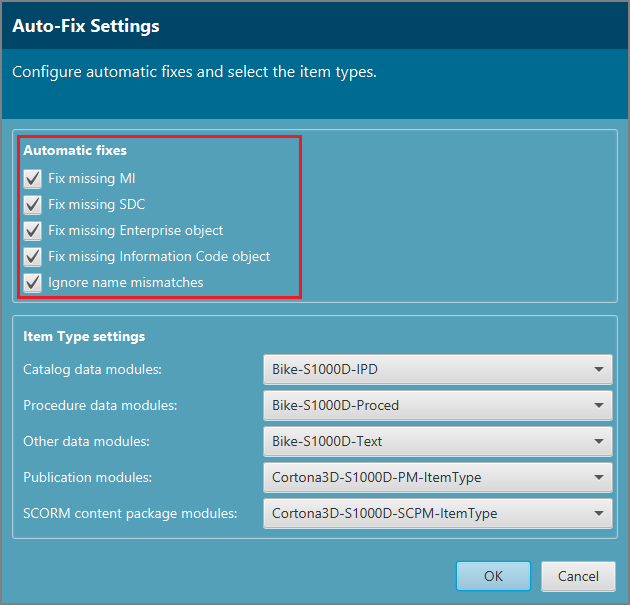
The import process for S1000D items has been improved. The system checks whether S1000D items contain necessary info codes and cage codes, whether revisions are already available in Teamcenter, and other parameters. You can configure some automatic fixes to save time.
The new release allows you to import process data from Easy Plan to generate DITA-compliant job cards. You will need to use the new DITA Easy Plan import profile and the new specification component, DITA Job Card.
The key improvements in the integration of RapidAuthor with Teamcenter are as follows:
- Direct editing of Content Management DITA content in RapidAuthor.
- Support for importing S1000D publication modules with automatic structure reconstruction in Teamcenter
- Automated generation and configuration of CIR repositories and CIR rules via RapidAuthor Administrator UI.
- Central management of RapidAuthor specifications in Teamcenter with version control and automatic updates.
- Enhanced logging and diagnostics with runtime debug control and structured logs.
- Unified PDF styling across RapidAuthor and Content Management using shared Cortona3D PDF Rules.
For more detailed information, you can explore the full release notes and download the new version of RapidAuthor 2606.
Cortona3D invites you to attend a special webinar where the team will dive deeper into the new features and capabilities of RapidAuthor 2606.
The team will demonstrate how these enhancements can benefit your organization and answer any questions you may have. Don't miss this opportunity to explore the latest advancements in technical documentation software. The exact date and time of the webinar will be announced soon. Stay tuned!
For more information about the product
Full list of new features →
Request evaluation version of 2606 →